
Why Pets Shed More in March
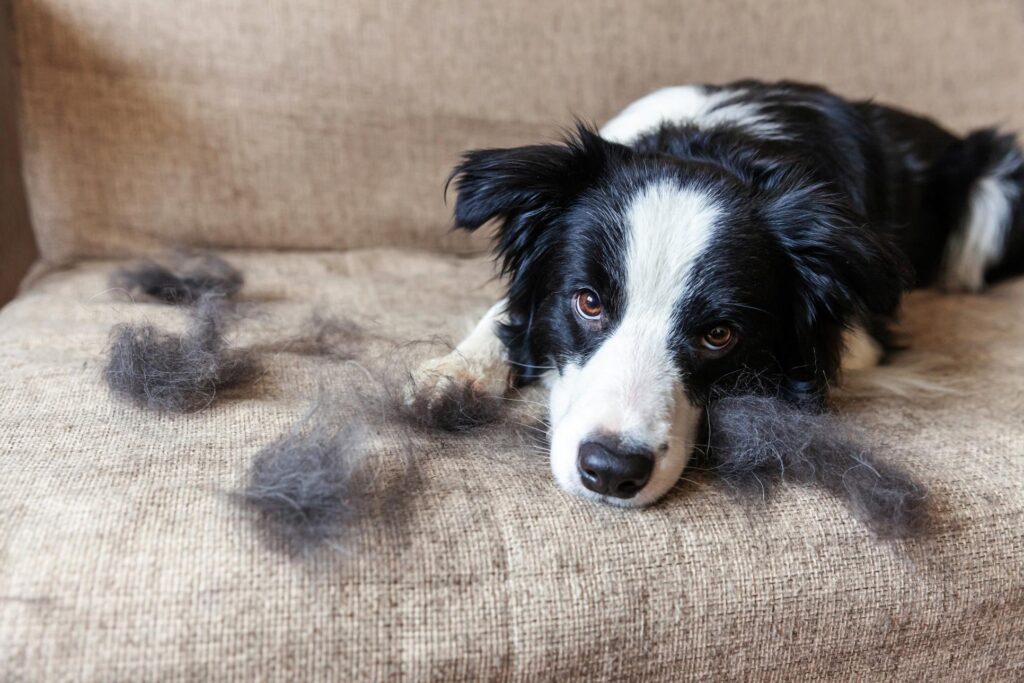
If it feels like there’s an entire new animal inside your vacuum cleaner every time you run the machine through your house, you’re not alone. Many pet parents face a very noticeable increase in pet shedding in March.
From the team at Family Pet Hospital of Stone Oak, here’s the why behind this phenomenon—and what you can do to ease the flood of hair in your home.
Why Pets Shed in the Spring
If you think spring pet shedding has everything to do with temperature, you’re partially right—but only partially. The most influential factor in shedding is actually the amount of daylight your pup or kitty is exposed to. This is called the photoperiod.
A longer photoperiod, or increase in daylight, is a signal to your pet’s body that it’s time to shed and prepare for longer, warmer days ahead. Hormones shift and your pet’s body begins to let go of its extra fur.
Likewise, in the fall, a shorter photoperiod signals that it’s time to shed the summer coat and pack on the thicker winter fur.
Seasonal shedding in dogs and cats can be a little bit different, though. For dogs, the effect is often dramatic, especially in breeds with thicker or double-layered coats. This is because there’s just (much) more undercoat to release as the coat preps for the new season.
For seasonal shedding in cats, you might notice bursts of loose undercoat during seasonal transitions. Or, since cats groom themselves so thoroughly, the biggest sign might be an increase in hairballs.
Keep in mind that pets that live indoors might not have big bursts of shedding during the spring and fall at all. Instead, because they’re exposed to indoor lights more than those outside, they may simply shed a bit all year long with a slight uptick in the spring and fall.
When Shedding is Not Normal
Shedding is normal when new hair replaces the old. But it can be abnormal, especially if you see far too much coat loss, leading to bald skin below, or if you notice hairless spots with skin redness, scabs, or burns.
These may be signs of skin conditions that need veterinary treatment before they can improve. At Family Pet Hospital of Stone Oak, our experienced team treats both acute and chronic skin and coat problems in cats, dogs, and even exotic species like birds, which also molt (lose feathers) in the spring, and reptiles.
Reach out to us at (210) 495-2722 to schedule an appointment for shedding and skin woes today.