
Rattlesnake Season in the Hill Country: Protecting Your Dog
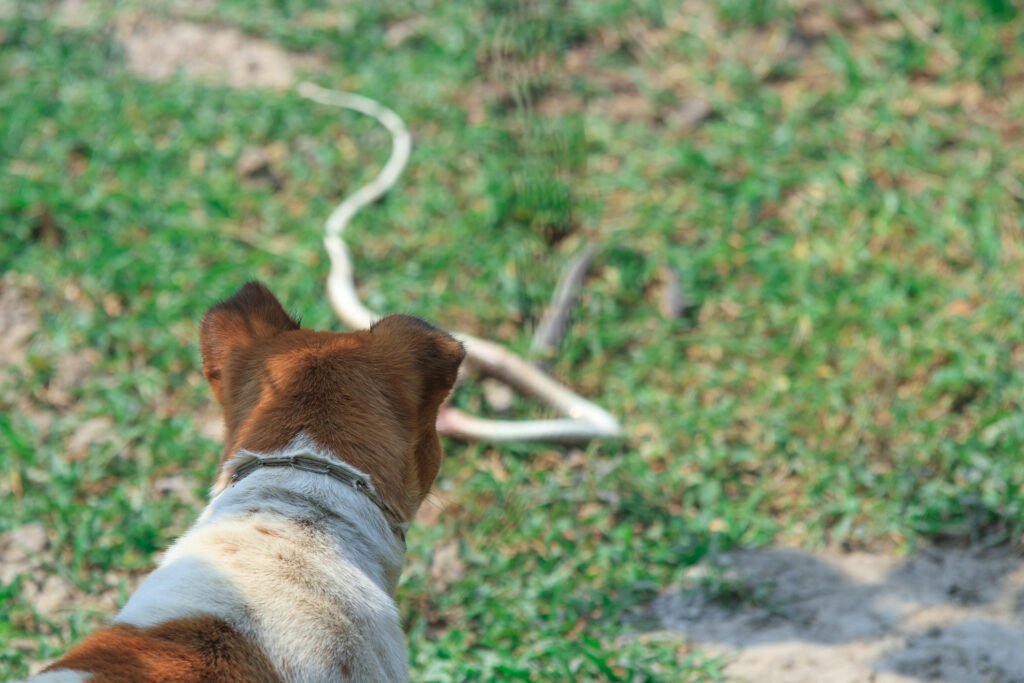
Spring, summer, and early fall are prime times for outdoor adventures in Texas, but they also mark rattlesnake season throughout the Hill Country. Whether you’re hiking local trails, exploring rural properties, or spending time in your own backyard, it’s important to be aware of the risks rattlesnakes can pose to pets. At Family Pet Hospital of Stone Oak in San Antonio, we want pet owners to understand how to reduce the risk of snake encounters and what to do if a bite occurs.
Why Rattlesnakes Are a Concern for Dogs
Dogs are naturally curious, and many investigate unfamiliar sights, sounds, and scents with their noses. Unfortunately, that curiosity can put them at risk when they encounter a rattlesnake.
Most snakebites occur when a dog gets too close to a snake or attempts to investigate it. Bites commonly affect the face, muzzle, neck, or legs. While not every bite delivers venom, a venomous rattlesnake bite can quickly become a medical emergency.
Signs of a rattlesnake bite may include:
- Sudden yelping or signs of pain
- Rapid swelling around the bite area
- Puncture wounds
- Weakness or lethargy
- Excessive drooling
- Difficulty breathing
- Collapse in severe cases
Prompt veterinary care is essential whenever a snakebite is suspected.
Tips for Hill Country Dog Safety
While it’s impossible to eliminate all risk, a few precautions can help keep your pet safer during rattlesnake season.
When spending time outdoors, consider the following Hill Country dog safety tips:
- Keep your dog on a leash when hiking.
- Stay on established trails.
- Avoid tall grass, brush piles, and rocky areas where snakes may hide.
- Keep your yard free of debris that can attract rodents and snakes.
- Watch where your dog explores, especially during warmer months.
- Be extra cautious in the early mornings and evenings, when snakes may be more active.
Taking these simple steps can significantly reduce the likelihood of an unwanted encounter.
Understanding the Rattlesnake Vaccine for Dogs in San Antonio
Many pet owners ask about the rattlesnake vaccine for dogs and whether it’s right for their pet.
The vaccine is designed to help dogs develop antibodies against specific components of rattlesnake venom. While it doesn’t eliminate the need for emergency veterinary treatment, some veterinarians believe it may help reduce symptom severity in certain cases.
Because every dog’s lifestyle and risk level are different, it’s best to discuss the potential benefits and limitations of the vaccine with your veterinarian. Dogs that frequently hike, hunt, camp, or spend time in rural areas may be candidates for vaccination.
Snakebite First Aid for Your Dog
If you believe a rattlesnake has bitten your dog, stay calm and focus on getting veterinary care as quickly as possible.
Basic snakebite first aid for your dog includes:
- Move your dog away from the snake
- Keep your dog as calm and quiet as possible
- Carry your dog if you can safely do so
- Contact a veterinarian immediately
- Transport your dog to a veterinary hospital without delay
Avoid attempting to suck out venom, apply a tourniquet, cut the wound, or use ice packs. These outdated methods can cause additional harm and won’t remove the venom.
The most important first-aid step is seeking professional veterinary treatment as quickly as possible.
Protect Your Dog This Rattlesnake Season
Rattlesnake encounters can happen unexpectedly, but preparation and awareness can make a big difference. By practicing good outdoor safety habits, understanding your dog’s risk factors, and knowing how to respond in an emergency, you can help protect your pet during rattlesnake season.
If you have questions about rattlesnake prevention, the rattlesnake vaccine for dogs in San Antonio, or what to do after a suspected bite, contact us at (210) 495-2722. Our staff is here to help you make informed decisions about your pet’s health. Call today to book an appointment and discuss the best protection plan for your dog.