
Senior Cat Not Drinking Water in San Antonio’s Heat? It Could Be More Than Dehydration
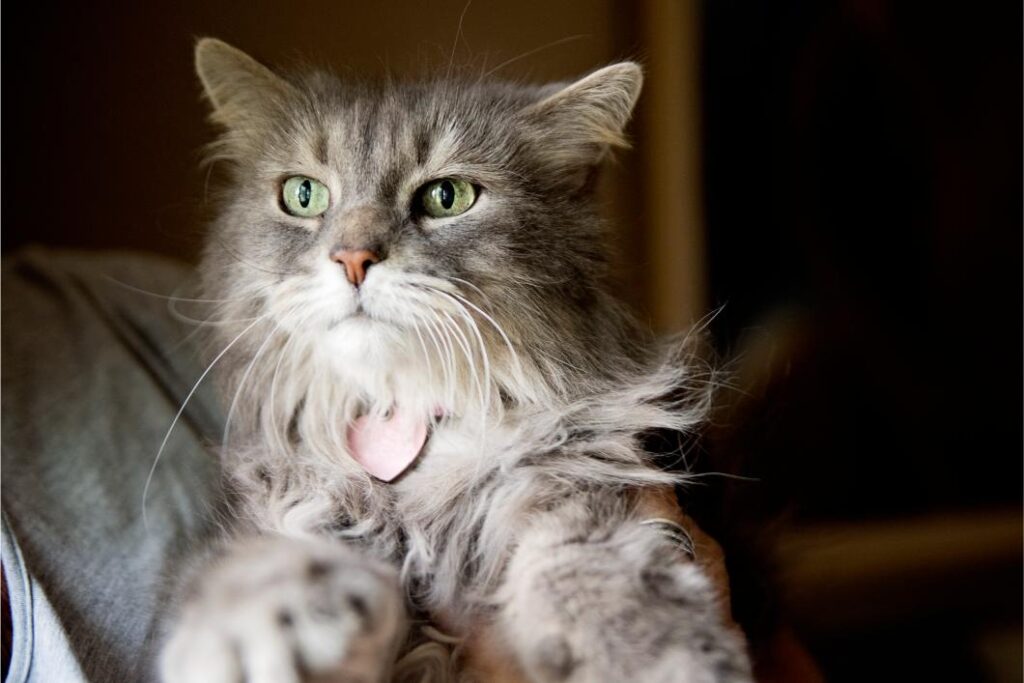
When temperatures climb in South Texas, it’s natural to worry if your cat isn’t drinking enough water. But if you have an older pet, decreased thirst may signal something more serious. At Family Pet Hospital of Stone Oak, we regularly see senior cats whose hydration habits point to underlying health concerns.
Understanding what’s normal (and what’s not) can help you act quickly and protect your cat’s health.
Why Hydration Matters More for Senior Cats
Cats naturally have a low thirst drive, but senior cats are especially vulnerable to dehydration. As they age, changes in metabolism, kidney function, and overall health can affect how much water they drink and how their bodies use it.
In hot climates like San Antonio, even mild dehydration can escalate quickly. That’s why it’s important to know how to tell if your cat is dehydrated and when it’s time to see your vet.
Signs of Dehydration in Cats
Some symptoms are subtle, especially in older pets. Keep an eye out for these signs of dehydration in cats:
- Dry or sticky gums
- Lethargy or decreased activity
- Sunken eyes
- Loss of skin elasticity (skin doesn’t snap back when gently lifted)
- Panting or rapid breathing
- Cat not eating or drinking
If you’re not sure how to tell if your cat is dehydrated, a quick at-home check can help—but veterinary evaluation is always the safest next step, especially for seniors. Dehydration may be the visible issue, but it’s often not the root cause.
When It’s More Than Dehydration
In some cases, a senior cat not drinking water is experiencing an underlying condition—most commonly kidney disease.
Watch for These Related Symptoms
These signs may point to more serious health concerns in a cat:
- Urinating more than usual
- Drinking too much water
- Vomiting and not eating
- Changes in appetite or behavior
Particularly in a senior cat, weight loss can indicate an underlying condition. The symptoms listed here can overlap with kidney disease symptoms. which often develop gradually and may go unnoticed until the condition progresses.
More advanced cat kidney failure signs may include severe lethargy, persistent vomiting, and a noticeable decline in overall condition.
Why Kidney Health Is a Concern
Chronic kidney disease is one of the most common conditions in aging cats. It affects how efficiently the kidneys filter waste and regulate hydration.
In the early stages, you may notice:
- Increased thirst or urination
- Mild weight loss
- Subtle appetite changes
As the disease progresses, your cat may stop drinking altogether, which can accelerate dehydration and worsen symptoms.
Because many of these signs can resemble simple dehydration, diagnostic testing—such as bloodwork and urinalysis—is essential for clarity.
What You Can Do at Home
While veterinary care is key, there are a few ways you can support hydration and monitor your cat between visits:
- Provide fresh, clean water in multiple locations
- Consider a pet water fountain to encourage drinking
- Offer wet food to increase moisture intake
- Monitor litter box habits closely
- Track changes in appetite, weight, or behavior
Even with these efforts, if your cat isn’t eating or drinking, it’s important not to wait too long before seeking care.
When to Call Your Veterinarian
If your senior cat shows any combination of dehydration and behavioral changes, it’s time to schedule an exam. Early detection makes a significant difference in managing kidney disease and other age-related conditions.
At Family Pet Hospital of Stone Oak, our staff is here to help you get answers. Call (210) 495-2722 to schedule a wellness visit and make sure your cat stays comfortable, hydrated, and healthy—even in the San Antonio heat.