
Back-to-School Blues: Easing Your Pet’s Separation Anxiety
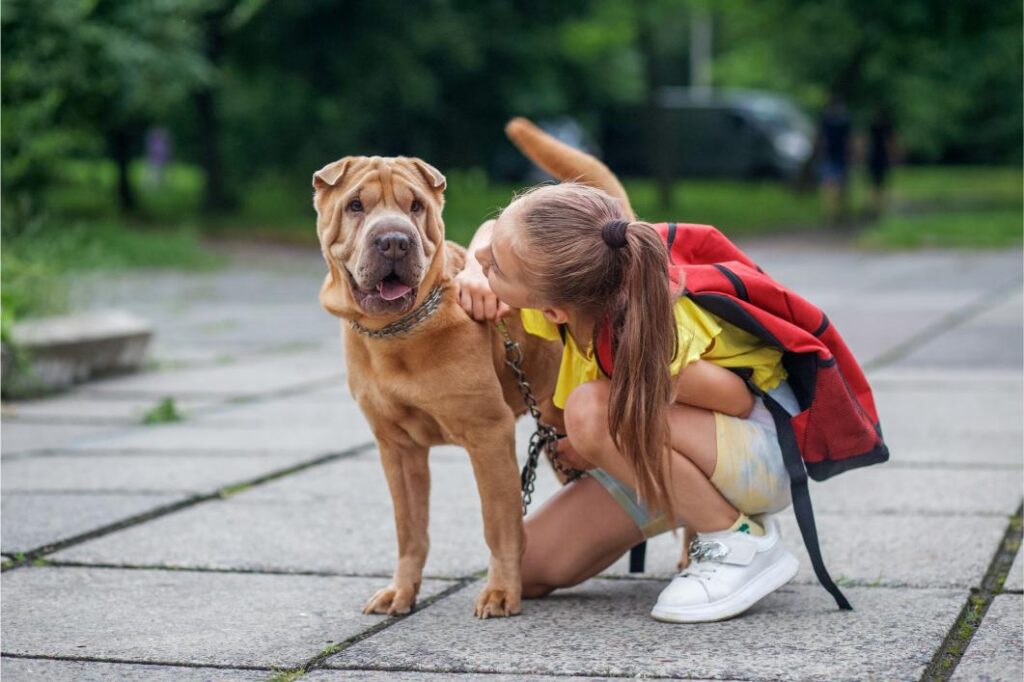
As summer winds down and families settle back into school-year routines, many pets experience an unexpected challenge: spending more time alone. After weeks of enjoying extra attention, activity, and companionship, the sudden shift can be stressful for some dogs and cats.
At Family Pet Hospital of Stone Oak in San Antonio, we often help pet owners recognize and manage separation-related behaviors so their companions can adjust comfortably to changing schedules.
Recognizing the Signs of Separation Anxiety
Some pets adapt quickly when household routines change, while others struggle with the transition. Separation anxiety can develop when pets become distressed after family members leave the house.
Common signs of anxiety may include:
- Excessive barking, whining, or howling
- Destructive chewing or scratching
- Accidents in the house despite previous housetraining
- Pacing or restlessness
- Excessive drooling or panting
- Attempts to escape doors, gates, or crates
- Changes in appetite
It’s important to remember that these behaviors aren’t acts of disobedience or spite. They’re often signs that a pet is feeling stressed, uncertain, or overwhelmed.
Why Back-to-School Season Can Be Difficult
Many pets become accustomed to the increased interaction that comes with summer vacation. When children return to school and adults resume busier schedules, pets may suddenly find themselves alone for longer periods.
This seasonal adjustment is a common trigger for pet separation anxiety for San Antonio pets. Dogs, in particular, thrive on routine and companionship. When familiar patterns change abruptly, they may struggle to understand why their family members are no longer home throughout the day.
The good news is that gradual adjustments and supportive strategies can help many pets adapt successfully.
Helping Your Dog Adjust to the New Routine
When it comes to helping your dog through back-to-school anxiety, preparation and consistency can make a significant difference.
Before school starts, try implementing a few simple changes:
- Gradually increase time spent away from home
- Establish consistent feeding, walking, and play schedules
- Provide interactive toys and food puzzles
- Create a comfortable, safe resting area
- Schedule regular exercise before departures
- Practice calm arrivals and departures
These steps help teach your dog that being alone isn’t something to fear. They also provide mental and physical stimulation that can reduce stress throughout the day.
Remember that improvement often takes time. Consistency is one of the most effective tools for building your pet’s confidence.
When Professional Help May Be Needed
While mild anxiety can often be managed at home, some pets experience more severe symptoms that require additional support.
If your pet’s anxiety is affecting their quality of life, causing self-injury, leading to destructive behavior, or creating significant household stress, it’s time to consult your veterinarian. Our staff can evaluate your pet’s behavior, rule out underlying medical conditions, and recommend individualized solutions.
Depending on your pet’s needs, treatment options may include:
- Behavioral modification strategies
- Environmental enrichment recommendations
- Training guidance
- Anxiety-reducing supplements
- Prescription medications, when appropriate
Early intervention is often the key to easing dog anxiety before behaviors become more deeply established.
Support for a Happier, More Confident Pet
If you need assistance helping your dog with back-to-school anxiety, contact us at (210) 495-2722 to book a wellness visit. Our experienced staff is here to help keep your pet happy, healthy, and confident throughout every season.