
Keeping Birds & Exotic Pets Healthy Through Late Texas Summer Heat
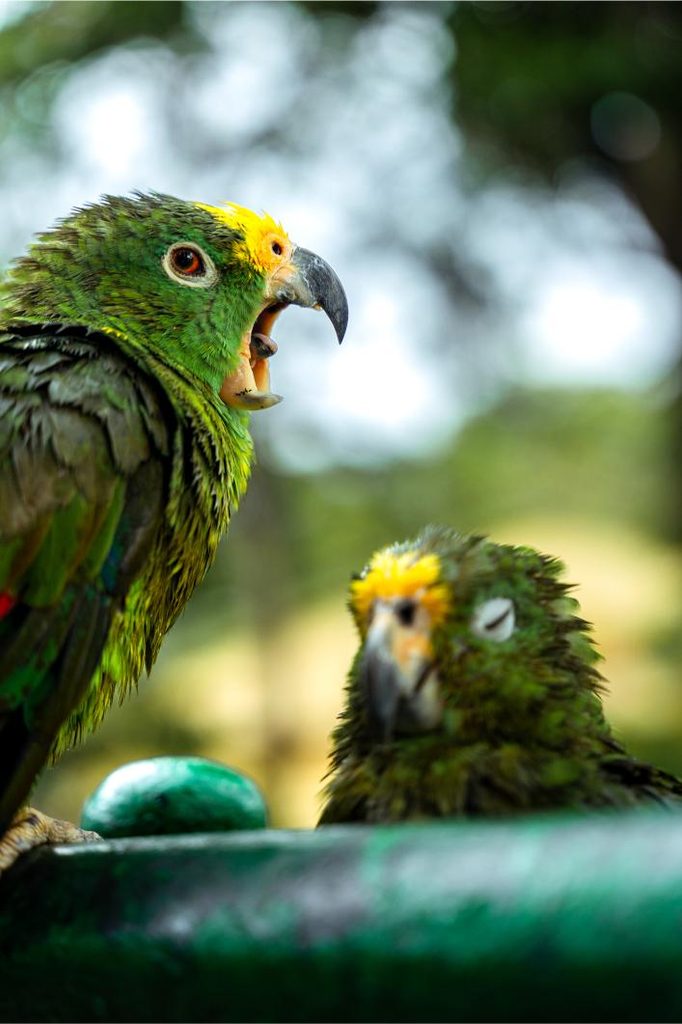
Unfortunately for those of us who struggle with the heat, late summer in Texas is just about as hot as early summer. And even if you love the warmth, you must take certain precautions. This is true for exotic pets and birds in San Antonio, as well—especially since they don’t control their environment. Their pet parents do.
The team at Family Pet of Stone Oak, your friendly exotic vet in San Antonio, has tips to make sure your exotic and chirpy friends stay safe in the late-summer heat.
Tips for Keeping Birds and Exotic Pets Safe in Summer Heat
Check Your Species’ Heat Needs
Whether you brought home your avian friend or scaly companion yesterday or five years ago, it’s easy to forget the exact specifications for your pet’s ideal temperature and environment. Now is a great time to brush up on the specifics—and to keep in mind that each species has unique needs.
Geckos, for example, require a warm basking area with a separate, cool side in the enclosure that allows for ideal thermoregulation. Snakes, on the other hand, thrive in a temperature gradient that lets them move between warm and cool zones, as needed.
And parrots need a stable indoor environment free from extreme heat and sudden temperature swings to stay healthy. Small companion birds, on the other hand, need consistent, species-appropriate temperatures, as well as protection from direct sunlight and overheating.
After you’ve checked the exact temperatures your species of exotic or avian pet needs to stay healthy, make sure the thermometer that tracks that heat is reading the temperature accurately. (Doing this at least monthly, especially during periods of extreme hot or cold weather, is ideal.)
Then, use thermostats, heat lamps, ceramic heat emitters, UVB lighting, and other species-appropriate heating and lighting equipment to make sure the temperature inside your pet’s enclosure—or, particularly for birds, inside your home—matches the ideal temperature range for your unique pet.
Know the Signs of Temperature-Related Distress
Understanding your pet’s signs of heat exhaustion or cold stress is key to keeping your pet healthy in a Texas September.
If you like to keep your home almost as warm as the air outside, this can stress out pets who require cooler temperatures. On the other hand, if you blast the air conditioner anytime the temps rise above 70°F outside, your interior might be too cold for your slithery or scaly friend. This is why it’s important to know the signs of both heat and cold-related distress.
Generally, you’ll look for these signs of heat or cold stress in reptiles:
- Lethargy or unusually low activity levels
- Loss of appetite
- Spending the majority of their time either at the extreme warm or cool end of their enclosure
In birds, look out for:
- Panting or holding their wings away from their body
- Lethargy
- Weakness
- Fluffed feathers
- Decreased appetite
Bird and Reptile Care for Hot Weather Woes
If you notice any signs of distress in your pet, whether they’re heat- or cold-related or not, bring your little friend in to see our smiling team at Family Pet of Stone Oak. As exotic and avian pet veterinarians, we have the skills and tools needed to get your pet back to its happy, healthy self. Call us today (210) 495-2722 to schedule an appointment!